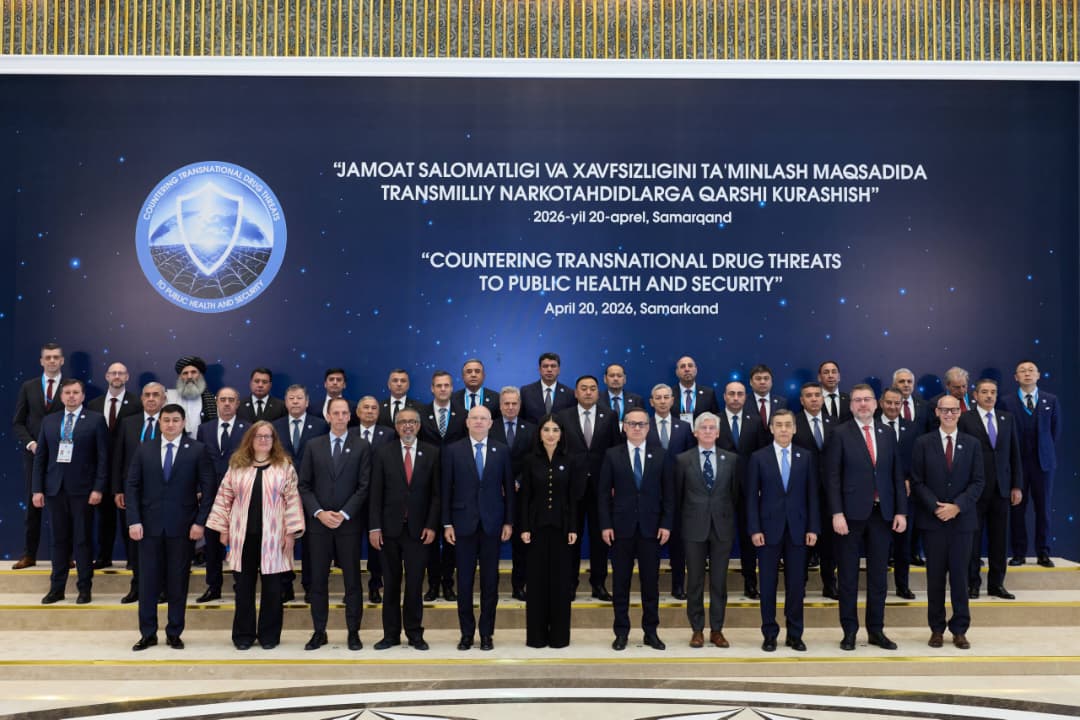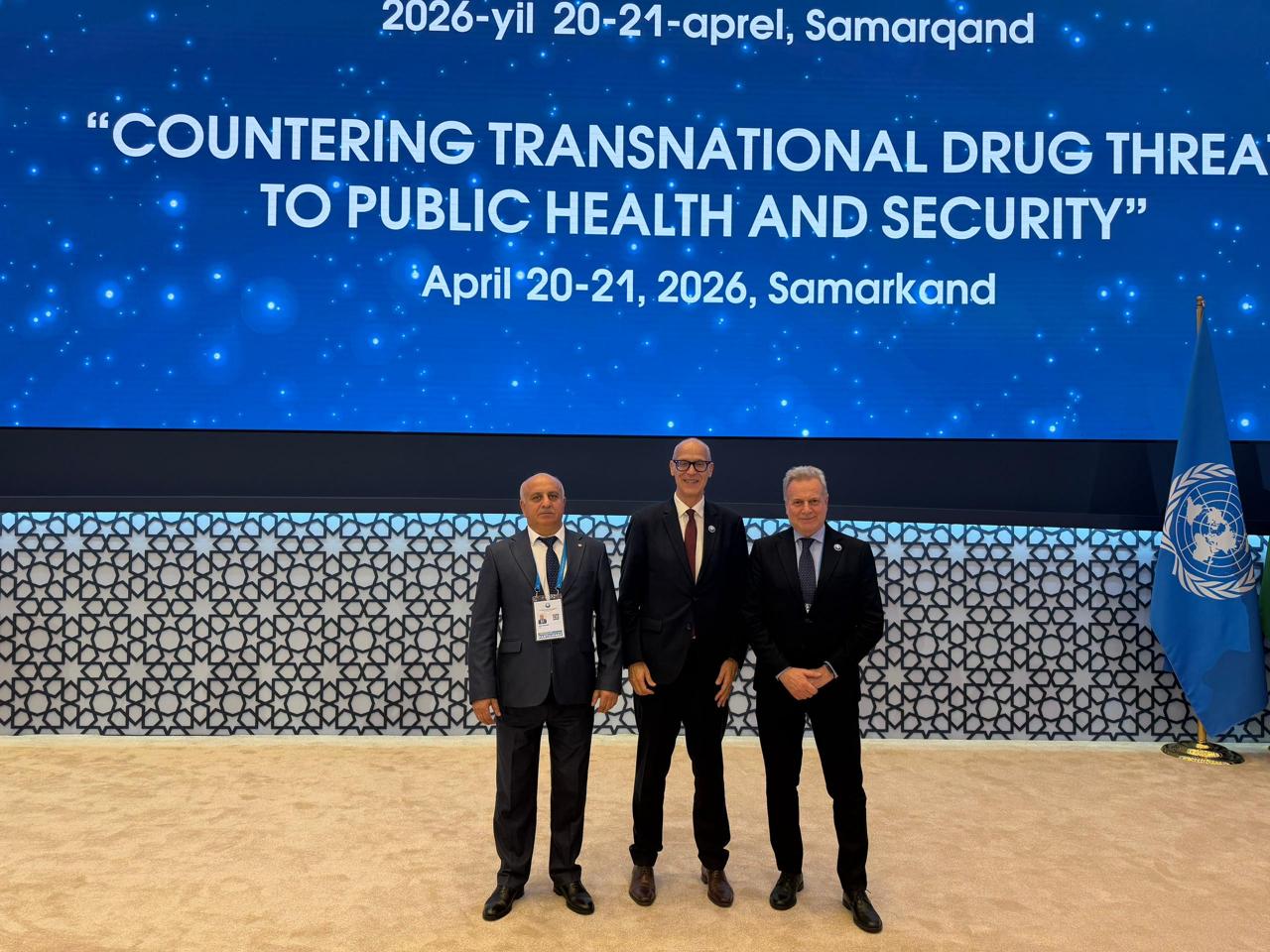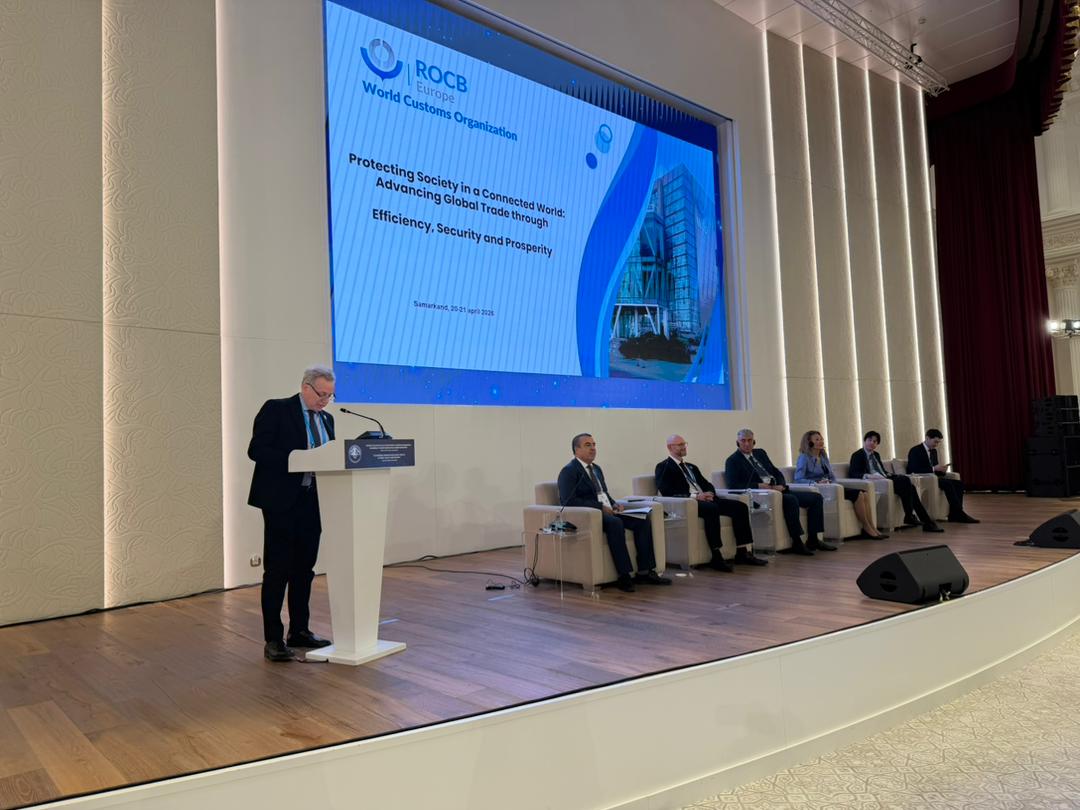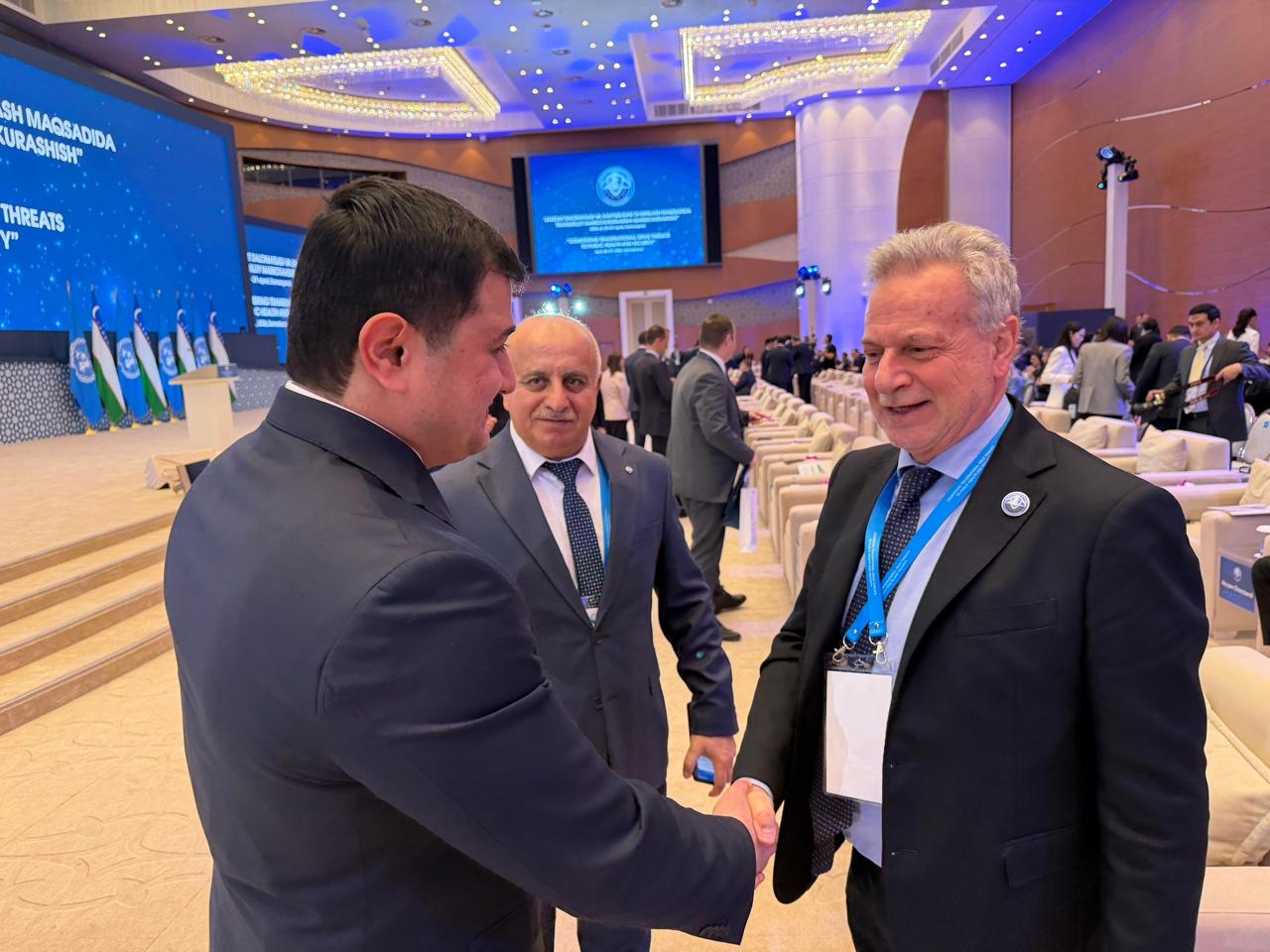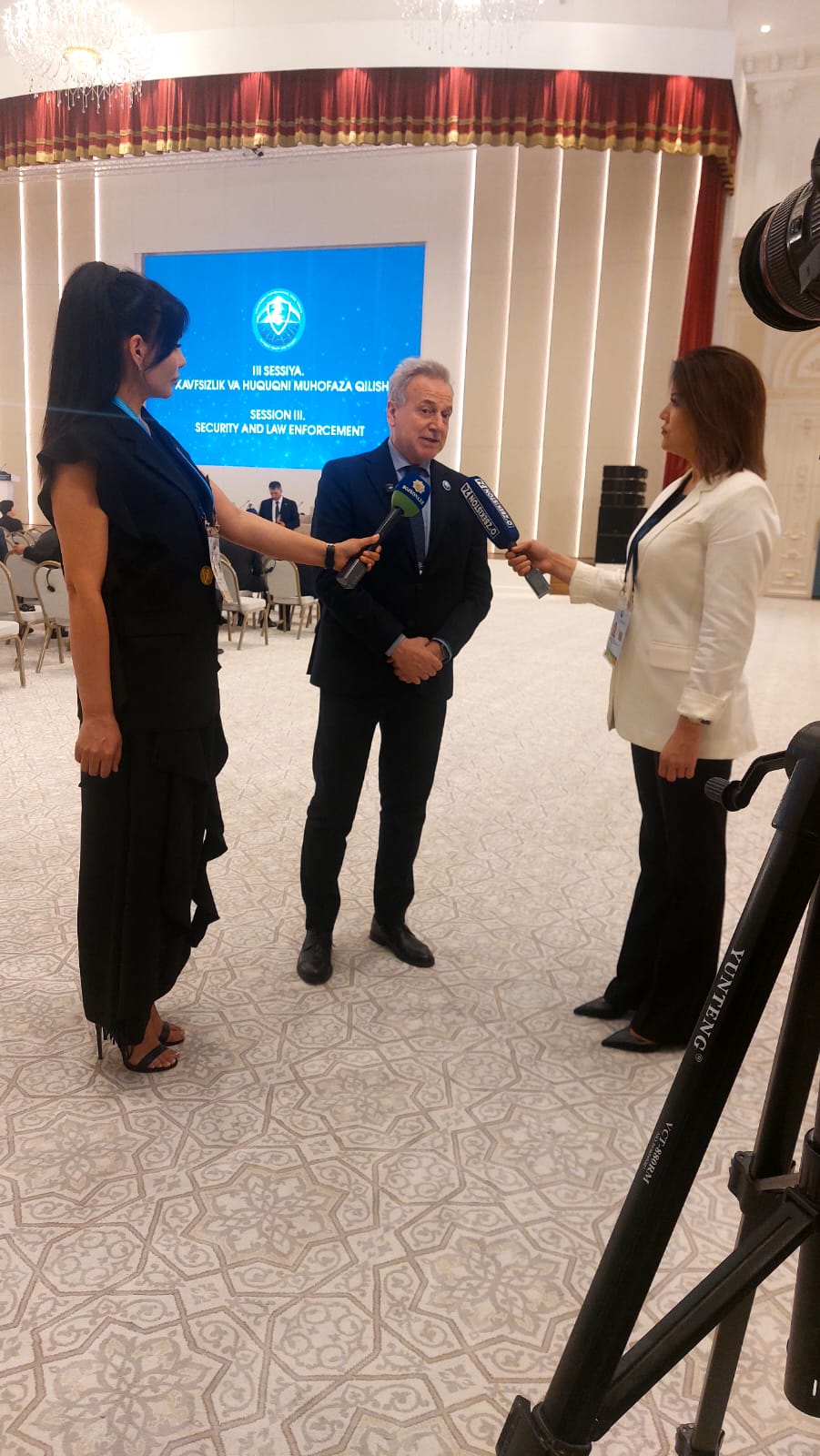
The Regional Office for Capacity Building for the WCO Europe Region (ROCB Europe) was honoured to participate in the International Forum on Countering Transnational Drug Threats to Public Health and Security, held in Samarkand, Uzbekistan, on 20–21 April 2026. The invitation extended to ROCB Europe reflects the growing recognition of the role of Customs in addressing one of today’s most complex cross-border challenges. It also confirms the strong and ongoing cooperation with key partners, including the United Nations Office on Drugs and Crime, in this critical area. Bringing together high-level representatives from international organizations, governments, and enforcement agencies, the Forum provided a comprehensive platform structured around a multi-dimensional response to drug-related threats. Discussions covered prevention and education, healthcare and rehabilitation, law enforcement, and international cooperation, reflecting a blended and integrated approach. Particular attention was given to the role of youth engagement and awareness in strengthening prevention strategies and enhancing societal resilience. ROCB Europe contributed to these discussions by promoting a forward-looking approach to capacity building—one that moves beyond activities and focuses on measurable impact. As highlighted during the intervention, strengthening institutional readiness, risk-based controls, and coordinated border management remains critical in countering increasingly sophisticated trafficking patterns. The presentation delivered during the Forum further emphasized the evolving role of Customs in balancing trade facilitation and security, particularly along key corridors such as the Trans-Caspian route, where expanding connectivity brings both opportunities and risks. Beyond the formal sessions, the Forum offered valuable operational insights through dedicated exhibitions and demonstrations, including advanced detection technologies, laboratory capabilities, border control systems, and the work of anti-drug canine units. These elements illustrated how technology, expertise, and operational practice must converge in an effective response. The adoption of the “Samarkand Declaration” represents an important step towards strengthening international cooperation and translating shared commitments into coherent, cross-sectoral action. On the margins of the Forum, ROCB Europe also held high-level bilateral meetings with key partners, including Oliver Stolpe, Regional Representative of UNODC for Central Asia, Afghanistan, Iran and Pakistan; Makhmud Khamidov, Director of the Central Asian Regional Information and Coordination Centre for Combating Illicit Trafficking of Narcotic Drugs Psychotropic Substances and their Precursors; and Oğuz Serkant Akin, Director General of the Southeast European Law Enforcement Center. The meetings focused on enhancing mechanisms for rapid data exchange, strengthening operational coordination, and exploring avenues for future cooperation. ROCB Europe remains fully committed to supporting its Members and partners in building resilient, modern, and interoperable Customs systems, contributing to a broader, balanced response that protects society, safeguards public health, and facilitates legitimate trade.
News
ROCB Europe participates in International Forum on Countering Transnational Drug Threats in Samarkand
The Regional Office for Capacity Building for the WCO Europe Region (ROCB Europe) was honoured to participate in the International Forum on Countering Transnational Drug Threats to Public Health and Security, held in Samarkand, Uzbekistan, on 20–21 April 2026.