
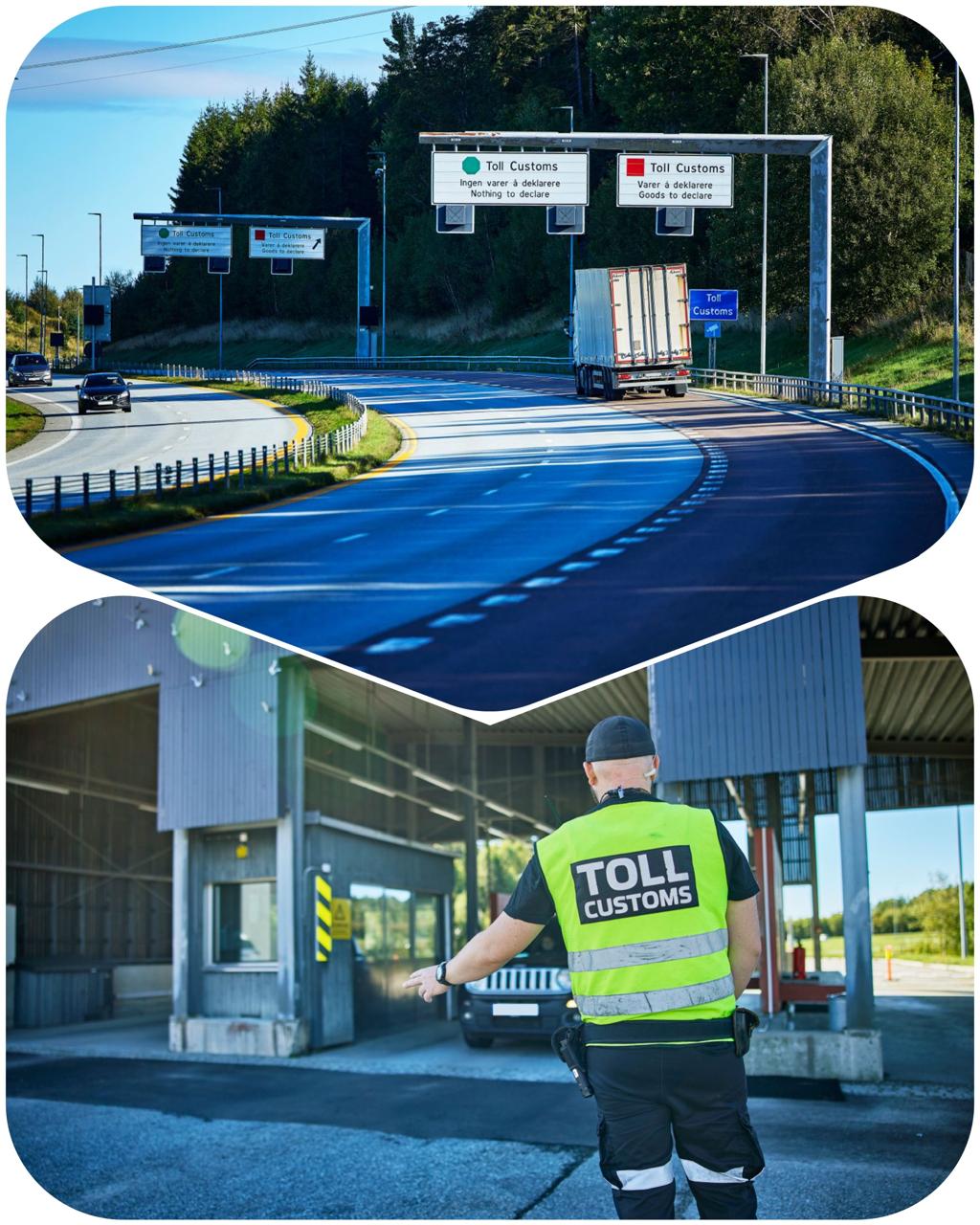
From 15 September 2026, businesses involved in importing goods into Norway will be required to comply with digital notification and disclosure of information requirements for goods imported through Digitoll.
The requirements apply to all businesses involved in importing goods into Norway, regardless of the mode of transport, including road, air, sea and rail. This means that all companies involved in importation into Norway will need to adapt to the new digital requirements.
Norway is a separate customs territory outside the EU Customs Union. Goods imported into Norway are therefore subject to Norwegian customs regulations and control requirements. As a result of both national legislation and Norway’s obligations under the EEA Agreement, requirements for digital advance information and digital reporting when importing goods into Norway are being introduced.
What information must be submitted?
Detailed information regarding the transport, customs procedure and consignments, including a reference to the customs declaration, must be submitted digitally before, or no later than, at the time of border crossing.
The carrier is responsible for fulfilling the notification and reporting requirements. The submission may be made either by the carrier itself or by a customs representative.
What do the requirements mean in practice?
Norwegian Customs will process the submitted information and carry out a risk assessment of the transport and the goods. The earlier Norwegian Customs receives the information, the greater the likelihood that the information will be fully processed before the transport reaches the border.
This may enable automated border crossing and automatic release of the goods to the selected customs procedure.
Transports that have not submitted all required information no later than at the time of border crossing may experience longer processing times and delays at the border. Whenever possible, Norwegian Customs will seek to prioritise transports that comply with the digital notification and disclosure requirements and make use of Digitoll.
Guidance during the transition period
The transition to digital notification and disclosure requirements represents a major change for many business operators. To ensure a smooth transition, efficient goods flow and equal treatment, Norwegian Customs will initially address non-compliance through guidance and support.
The use of penalties will be limited for a period following 15 September 2026. However, in cases of repeated, deliberate or serious violations, Norwegian Customs may issue warnings and impose administrative fines.
Important dates
15 September 2026
Requirement for digital notification and disclosure of information to be submitted before border crossing.
1 March 2027
Requirement for customs declarations to be submitted no later than at the time of border crossing, together with the discontinuation of the direct clearance scheme. This also includes the requirement to submit declarations for goods placed into customs warehouses.
Further information is available on the Norwegian Customs website:
https://www.toll.no/en/corporate/digitoll
Photo credits: Norwegian Customs, Bård Gudim