Новости
On 2 March, over 70 customs colleagues from 11 WCO Europe Region administrations gathered for a regional webinar on Free Zones.
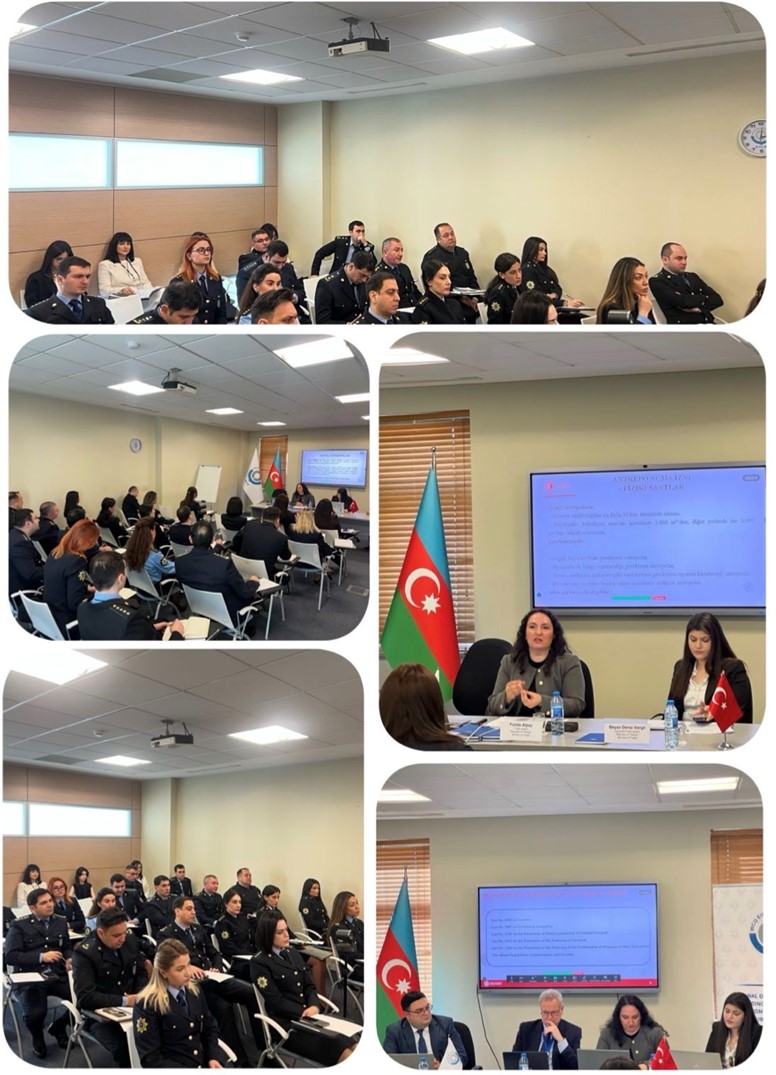
On 2 March, over 70 customs colleagues from 11 WCO Europe Region administrations gathered for a regional webinar on Free Zones.
ROCB Europe had the pleasure of co-organising with the WCO and hosting the webinar: “Modern Approaches to Customs Control, Risk Management, and Compliance in Free Zones”.
The session brought together more than 70 participants from 11 administrations across the WCO Europe Region, confirming the strong regional interest in modern governance, risk-based supervision, and compliance in Free Zones.
We were honoured by the valuable contribution of:
🔹 Mr. Yuta Takanabe, Technical Attaché, Policy and Standards Directorate, World Customs Organization (WCO) – who presented the WCO’s current work and capacity-building activities related to Free Zones, including the update of the WCO Practical Guidance.
🔹 Ms. Funda Alpay and Ms. Beyza Deniz Vargil, Ministry of Trade of Türkiye – who shared Türkiye’s practical experience in countering illicit trade, strengthening customs controls, and advancing digitalization in Free Zones.
🔹 Ms. Ia Chkhaidze, Revenue Service of Georgia – who presented Georgia’s legislative framework and operational model for Free Industrial Zones.
🔹 Mr. Zeljko Djokovic, Customs Administration of the Republic of Serbia – who outlined Serbia’s approach to customs procedures, risk management, and supervision in Free Zones.
The discussions clearly demonstrated how Free Zones represent both an opportunity for trade facilitation and a responsibility for robust oversight, transparency, and risk-based control.
ROCB Europe is currently working on a series of upcoming regional webinars that will address key topics of general interest for Customs administrations across the WCO Europe Region.
We strongly believe that the webinar format, due to its flexibility and ease of organization, allows us to efficiently bring together expertise from across the region. In short, focused, and intensive sessions, best practices, national experiences, and operational solutions can converge and be openly discussed.
While not all models are directly replicable, they are always valuable to understand, both from an operational and managerial perspective.
Through this approach, ROCB Europe aims to continue fostering demand-driven, impact-oriented, and forward-looking capacity building across the region.
A sincere thank you to all speakers and participants for their engagement and commitment.